Let's be real about what hormones actually do
Hormonal changes shift the mechanics of pleasure. Full stop. Estrogen drops, tissue thickness changes, lubrication patterns shift, and the timeline for arousal stretches. But here's what I need you to hear: none of that kills pleasure. It redirects it.
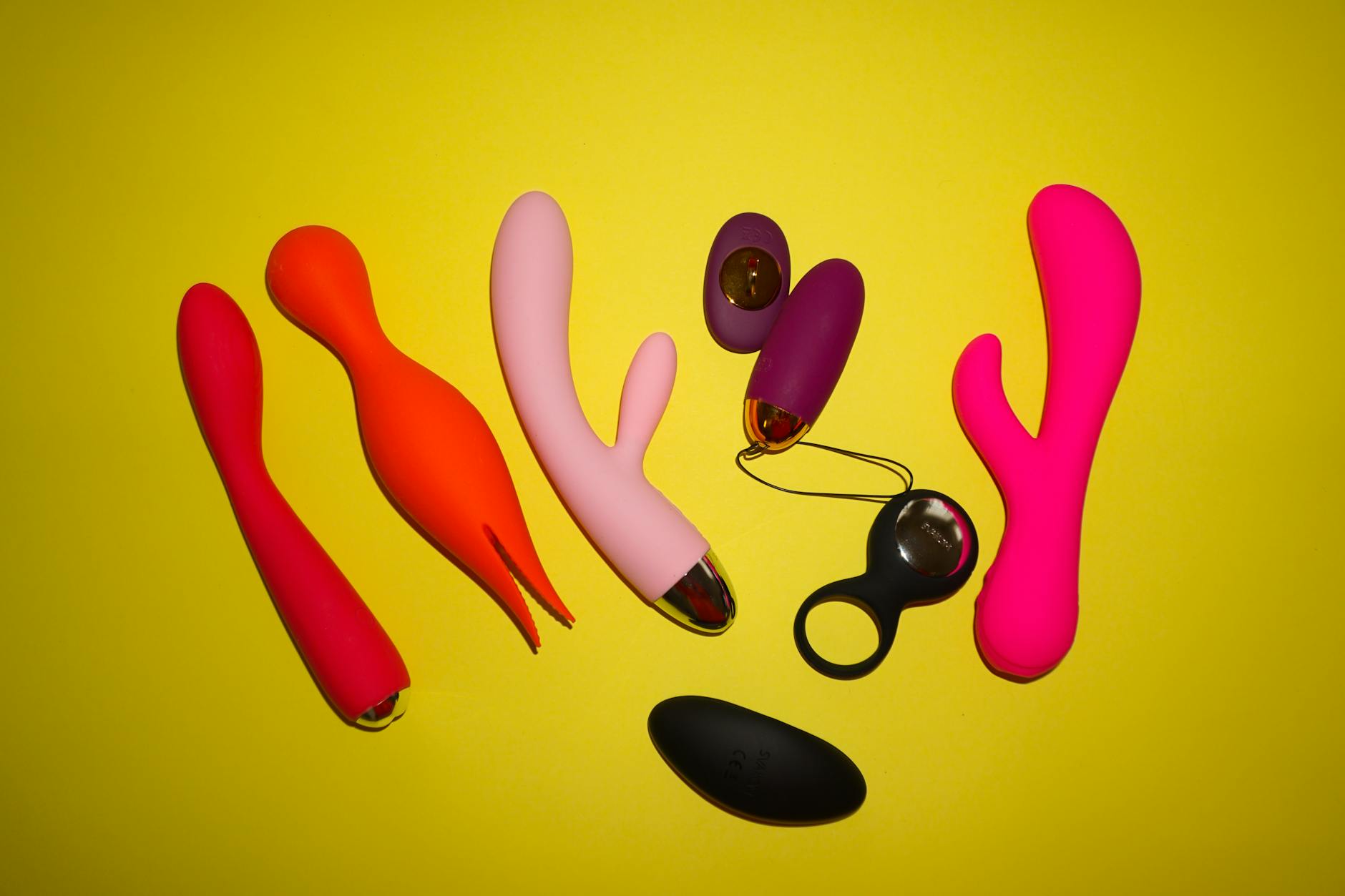
I've worked with hundreds of people navigating hormonal transitions, and the most common misconception is that the body is broken. It's not. It's recalibrating. And lemon vibrators, particularly air-suction designs like the Lem, are engineered specifically for bodies that need a different kind of stimulation than traditional vibrators provide.
How hormonal changes affect sensation
When estrogen levels drop, the clitoral hood thins. This sounds clinical, but here's what it means physically: direct pressure that felt amazing at 25 might feel harsh at 45. The clitoris itself doesn't lose sensitivity, but the surrounding tissue does, which changes how stimulation feels.
Tissue atrophy also means the vestibule and vaginal opening feel drier faster. Lubrication isn't always there on demand. And orgasms, when they come, can feel less intense because the pelvic floor muscles have less estrogen-dependent tone. This is temporary and treatable, not permanent.
The nervous system itself doesn't change. Your ability to experience pleasure, to climax, to feel arousal is all still there. What changes is the pathway. And that's where understanding your new rhythm matters.
Why lemon clitoral vibrators adapt better than traditional vibrators
Most vibrators use rapid oscillation. That works beautifully when tissue is thick and responsive. When tissue is thinning, that same vibration can create friction that feels more uncomfortable than pleasurable. You're essentially vibrating against sensitive, drying tissue.
Lemon suckers and air-suction designs work differently. They create gentle pulses and suction that stimulate without direct friction. The sensation is deeper, less about pressure on the surface and more about stimulation to the deeper clitoral tissue, which retains its nerve density regardless of estrogen.
For people with hormonal changes, a lemon vibrator does something traditional vibrators can't: it gives intense stimulation without requiring you to choose between pleasure and comfort. You get to have both.
The timing adjustment that changes everything
One thing almost nobody talks about: arousal takes longer after hormonal shifts. This isn't weakness or dysfunction. It's just timing.
Where you might have felt arousal building in five minutes, now it takes 15 to 20. The body needs more warm-up. More attention. More time. If you're used to quick, efficient sex, this transition feels frustrating. If you reframe it as having more time to explore, it becomes a gift.
With a lemon clitoral vibrator, budget 20 to 25 minutes for solo exploration. Start with lower intensity settings. Let your body warm up. Use good lubrication throughout. Then gradually increase intensity as arousal builds. The suction mechanism means you don't need to worry about friction increasing as you go.
Lubrication: non-negotiable now
This is where I see the biggest difference between bodies before and after hormonal shifts. You might not need lubrication for penetration at 30. You'll almost certainly need it for any kind of stimulation at 50.
Water-based lubricants work best with silicone toys. Silicone-based lubes are richer and feel luxurious, but they can degrade silicone toys over time. If you're using a lemon vibrator, which is typically silicone, water-based lube is your baseline.
Apply it generously. Reapply halfway through a session. Think of lubrication not as a fix for a broken body, but as part of the pleasure experience. It changes sensation, improves comfort, and lets you focus on arousal instead of friction.
Positioning changes that matter
When tissue is more sensitive, the angle of stimulation matters more. With a lemon clitoral vibrator, experiment with positioning the suction cup at slightly different angles: directly over the clitoris, slightly to one side, at an angle that favors the clitoral glans over the hood.
Your body will tell you what feels right. Some people find that stimulating to the side of the clitoris rather than directly on it reduces that hypersensitive feeling that sometimes happens with hormonal changes. Others prefer the indirect stimulation that comes from positioning the toy slightly lower, so the sensation travels upward rather than pressing down.
This isn't static. Your preferences will shift from day to day based on your cycle (yes, if you're perimenopause, you still have one), stress, hydration, and arousal level. Check in with your body each time.
Understanding your new arousal pattern
Here's something they don't teach in sex ed: arousal patterns change with hormones, and understanding your personal pattern is half the solution.
Some people find that mental arousal takes longer but climax is more intense once it happens. Others find that the first orgasm is harder to reach, but subsequent orgasms come faster. Some notice they need more focused attention on the clitoris and less interest in penetration. Others find the reverse.
Keep a simple note on your phone or journal: what felt good, what didn't, how long it took to arousal, what the orgasm felt like. Not as homework. As data. After four or five sessions, a pattern emerges. And once you know your pattern, you can work with it instead of against it.
When hormone therapy makes sense
If lubrication and timing adjustments aren't enough, systemic hormone therapy is worth discussing with a doctor. Topical estrogen creams are often prescribed and have minimal systemic absorption, meaning they help local tissue without the side effects of systemic HRT.
Bioidentical hormone replacement therapy is another option. The research on safety varies depending on your health history, age, and the formulation used. The key is working with a practitioner who understands that some hormonal support can transform sensation and pleasure without requiring a massive commitment to full hormone replacement.
Your pleasure matters. It's not frivolous. It's a legitimate medical concern, and there are evidence-based treatments that help.
Building confidence in your new body
The emotional part of this transition is as real as the physical part. If you've spent decades with a particular rhythm and sensation profile, changing it feels like loss, even when the new version is good.
Give yourself permission to grieve that. Then give yourself permission to explore. A lemon clitoral vibrator is a tool for that exploration. It doesn't require the same kind of pressure and friction your body needed before. It gives intense sensation without intensity of friction.
Start with sessions focused purely on discovery, not on outcome. Not every session needs to end in orgasm. Some are just about feeling your body wake up again. About remembering that pleasure is still available to you, just in a different form.
That's not less. It's different. And different often turns out to be better.
FAQ: Your questions about lemon vibrators and hormonal changes
Do air-suction vibrators work the same way after hormonal shifts?
Actually, they work better. Because they don't rely on direct friction, they're gentler on tissue that's become thinner or more sensitive. The suction stimulates without pressure. If anything, hormonal changes make air-suction designs like lemon vibrators more effective than traditional vibrators.
How much lubrication should I use with a lemon clitoral vibrator?
More than you think. Apply a generous amount before you start. The toy creates suction, which is easier with moisture. As you continue, reapply. If you're not sure if you've used enough, you probably haven't. Lubrication is not just functional here, it's part of the experience.
Can I use hormone therapy and a lemon vibrator together?
Absolutely. In fact, that combination often works best. Hormone therapy helps restore some tissue thickness and lubrication capacity. A lemon vibrator gives you the kind of targeted stimulation that works with your body's new responsiveness. They're complementary, not competing.
What intensity setting should I start with after hormonal changes?
Start at pattern 1 or 2 if your lem vibrator has multiple settings. This might feel too gentle at first, but your body will surprise you. As arousal builds and tissues warm up, increase intensity. Many people find they actually prefer lower intensity settings post-menopause because the sensation is more focused without being overwhelming.
How long does it take to adjust to pleasure after hormonal changes?
This varies, but most people see meaningful shifts within 4 to 6 weeks of regular exploration with the right tools and lubrication. Your nervous system needs time to learn the new pattern. Your brain needs time to adjust expectations. Be patient with both.
Is it normal for sensation to feel different each time?
Completely normal. Stress, hydration, cycle (if you still have one), sleep, and mood all affect sensation. One day you'll feel everything intensely. The next day you'll need more stimulation. That's not inconsistency, that's your body being human. A lemon vibrator's range of intensities helps you meet your body where it is each time.
Your body still deserves pleasure
Hormonal changes are real. They reshape sensation, timing, and responsiveness. But they don't close the door on pleasure. They open it to a different kind of pleasure, one that's often deeper, more focused, and less about performance and more about presence.
Lemon clitoral vibrators are designed for exactly this transition. They work with your body's new rhythm instead of fighting against it. Give yourself time, good lubrication, patience, and permission to explore. Your pleasure is still on the table. It's just asking for a different approach.
If you want to talk through this more, reach out. I'm here to help you navigate this transition with confidence.